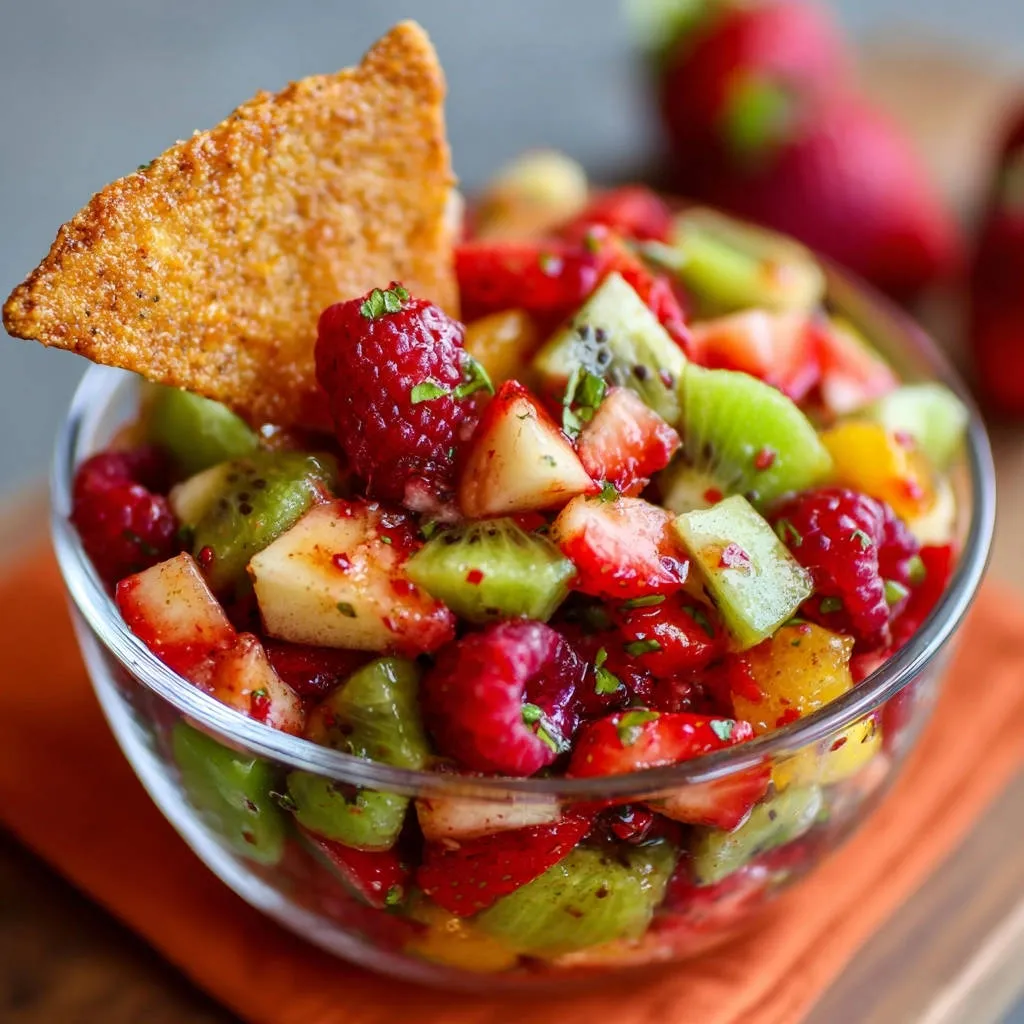
The Allure of Fruit Salsa: A Symphony of Sweet and Savory
In the culinary world, few creations burst with as much vibrant color and fresh flavor as a perfectly crafted fruit salsa. Far from a mere condiment, this versatile dish is a celebration of seasonal bounty, offering a delightful interplay of sweet, tangy, and sometimes spicy notes that can elevate almost any meal or snack. Whether you're looking for a refreshing dip for a summer barbecue, a lively topping for grilled meats, or a unique twist on breakfast, learning the secrets to making an irresistible fruit salsa is a culinary skill that promises endless delicious possibilities.
A good fruit salsa isn't just about mixing chopped fruit; it's about understanding balance – the delicate dance between ripe sweetness, zesty acidity, subtle heat, and fragrant herbs. It’s a dish that tantalizes the palate, awakening the senses with every spoonful. This comprehensive guide will unlock the mysteries behind creating fruit salsas that don't just taste good, but are truly unforgettable, providing practical tips and insights that will transform your kitchen into a flavor laboratory.
Why Fruit Salsa Deserves a Permanent Spot in Your Repertoire
- Unmatched Freshness: Utilizing peak-season fruits ensures a burst of natural flavor and nutrients.
- Incredible Versatility: It pairs beautifully with both savory and sweet dishes, from tacos to pancakes.
- Visual Appeal: The kaleidoscope of colors makes it a feast for the eyes, perfect for entertaining.
- Healthy & Light: A great alternative to heavier dips, packed with vitamins and antioxidants.
- Customizable: Easily adaptable to dietary preferences and available ingredients.
Crafting Your Perfect Fruit Salsa: Essential Ingredients and Combinations
The foundation of any great fruit salsa lies in the quality and combination of its ingredients. Think of your fruit salsa as a painting; each ingredient is a brushstroke contributing to the overall masterpiece. Choosing the right fruits, aromatics, and seasonings is paramount to achieving that coveted balance.
Selecting the Stars: Your Fruit Choices
Variety is the spice of life, and this holds true for fruit salsa. Aim for a mix of textures and flavors.
- Tropical Powerhouses: Mango, pineapple, kiwi, papaya. These offer a naturally sweet and juicy base with a delightful aroma. Mango is a classic for its creamy texture and rich sweetness, while pineapple brings a tangy brightness.
- Berry Beauties: Strawberries, blueberries, raspberries, blackberries. They add vibrant color, a delicate sweetness, and often a slight tartness that cuts through richer flavors.
- Stone Fruit Sensations: Peaches, nectarines, plums, cherries. When in season, these offer unparalleled juiciness and a tender texture, perfect for a late summer salsa.
- Melon Medley: Cantaloupe, honeydew, watermelon. These provide a refreshing, watery crunch, ideal for lighter, more hydrating salsas.
- Citrus Zest: Oranges, grapefruit, mandarins. While often used for juice, segments can add a wonderful tangy burst.
Pro Tip: Always select fruits that are ripe but firm. Overly ripe fruit will become mushy, while underripe fruit will lack flavor and sweetness. Consider contrasting colors for visual appeal, like pairing red strawberries with green kiwi and yellow mango.
The Supporting Cast: Aromatics, Herbs, Heat & Acidity
These elements are crucial for adding depth, brightness, and that signature 'salsa' zing.
- Aromatics: Red onion is a standard for its mild bite and beautiful color. For a milder flavor, try shallots. Finely minced bell peppers (red, yellow, or orange) can also add a fresh, crunchy element without overpowering the fruit.
- Fresh Herbs: Cilantro is a traditional choice, lending a bright, herbaceous note. Mint offers a cooling, refreshing dimension, especially with tropical fruits. Basil can be surprisingly delightful with berries or peaches.
- A Touch of Heat: A finely minced jalapeño or serrano pepper provides a welcome kick. For less heat, remove the seeds and membranes. For more, leave them in!
- The Essential Acid: Freshly squeezed lime juice is non-negotiable. It brightens all the flavors, prevents fruit from browning (especially apples or pears, if using), and adds a crucial tangy counterpoint to the sweetness. Lemon juice or a splash of rice vinegar can also work.
- Optional Sweetener: While ripe fruit provides natural sweetness, a drizzle of honey, maple syrup, or a pinch of brown sugar can round out the flavors if your fruit isn't quite at its peak.
For a deeper dive into ingredient harmony and exploring a wider spectrum of sweet and savory combinations, check out our guide on Mastering Fruit Salsa: Ultimate Guide to Sweet & Savory Dips.
The Art of Preparation: Chopping, Mixing, and Flavor Melding
While selecting your ingredients is the first step, how you prepare them is equally vital to the texture and overall appeal of your fruit salsa.
Precision Chopping for Perfect Texture
The goal for most fruit salsas is a uniform, small dice – think pea-sized to a bit larger, but consistent. This ensures that every spoonful offers a balanced mix of flavors and textures, rather than overwhelming bites of a single fruit.
- Mangoes: Slice cheeks off the pit, score flesh into a grid, then scoop out the cubes.
- Pineapple: Remove skin and eyes, then slice into rounds and dice.
- Berries: Halve or quarter larger strawberries; smaller berries can be left whole.
- Onion/Peppers/Chilies: Mince them as finely as possible so they integrate seamlessly without being too pungent or crunchy.
Expert Tip: Use a sharp knife! A dull knife will crush and bruise the fruit, leading to a less appealing texture and faster oxidation. Don't overwork the fruit; gentle handling maintains its integrity.
Gentle Mixing for Optimal Flavor Integration
Once everything is chopped, the mixing process requires a delicate touch.
- Combine Fruits First: Gently combine all your chopped fruits in a large bowl.
- Add Aromatics & Heat: Fold in the minced red onion, jalapeño, and any other non-herb aromatics.
- Dress with Acid: Pour in the lime juice. This is crucial not only for flavor but also to prevent browning and to help "cook" the raw onion slightly.
- Season & Adjust: Add your fresh herbs (cilantro, mint, basil), a pinch of salt (it brings out sweetness!), and any optional sweetener.
- Taste and Adjust: This is the most important step! Taste a small spoonful. Does it need more lime for brightness? More salt to enhance the fruit? A tiny bit more heat? Adjust as needed until you hit that perfect balance.
The Magic of Marination: Letting Flavors Meld
Resist the urge to serve your fruit salsa immediately. Like a good relationship, flavors need time to get to know each other. Allowing your salsa to rest in the refrigerator for at least 15-30 minutes (and up to a few hours) permits the ingredients to meld and develop a deeper, more cohesive flavor profile. The lime juice will work its magic, and the fruits will release some of their juices, creating a delicious, light sauce.
Beyond the Bowl: Creative Ways to Enjoy Your Irresistible Fruit Salsa
The beauty of a well-made fruit salsa lies in its versatility. While it’s famously known as a dip with cinnamon pita chips or tortilla chips, its applications extend far beyond the appetizer tray. Don't limit your imagination!
Savory Pairings that Delight
- Grilled Meats & Seafood: This is where fruit salsa truly shines. Spoon it over grilled chicken, pork tenderloin, flaky white fish (like cod or mahi-mahi), or even shrimp skewers. The sweetness and acidity cut through the richness of the meat, creating a refreshing contrast.
- Tacos & Burrito Bowls: Elevate your next taco night by swapping traditional tomato salsa for a vibrant fruit version. It's especially good with fish tacos or vegetarian options.
- Breakfast & Brunch: A dollop of fruit salsa over plain yogurt, cottage cheese, or even scrambled eggs (for the adventurous!) can transform a simple meal into something extraordinary.
- Appetizer Enhancements: Serve it on crostini with a smear of goat cheese or cream cheese, or alongside a charcuterie board for a burst of fresh flavor.
Sweet Sensations
- Dessert Topping: Spoon fruit salsa over vanilla ice cream, pound cake, angel food cake, or even a simple scoop of sorbet for a light, fruity dessert.
- Pancakes & Waffles: Ditch the syrup! Fruit salsa makes a fantastic, fresh topping for breakfast staples.
- Fruit Salad Upgrade: Mix your fruit salsa into a regular fruit salad for an extra layer of complexity and zest.
For more innovative and surprising uses for your delicious creation, be sure to explore our article on Beyond the Chip: Creative Ways to Enjoy Fresh Fruit Salsa.
Storage Tips for Freshness
Fruit salsa is best enjoyed fresh, ideally within 1-2 days of preparation. Store it in an airtight container in the refrigerator. While the lime juice helps with preservation, the fresh fruits will gradually soften and release more liquid over time. For optimal taste and texture, try to make only what you plan to consume within a day or two.
Conclusion
Making irresistible fruit salsa is a journey of sensory exploration – from choosing the freshest ingredients to mastering the gentle art of chopping and mixing. It’s a dish that embodies freshness, versatility, and sheer joy, offering a vibrant counterpoint to everyday meals and a dazzling centerpiece for any gathering. By understanding the principles of flavor balance, embracing quality ingredients, and applying a few simple techniques, you can confidently create a fruit salsa that is not just a dip, but a true culinary delight. So, gather your favorite fruits, sharpen your knife, and prepare to unlock a world of irresistible flavors that will surely impress and satisfy!
